
International Experts Community
At Human Security Solutions (HSS), we are proud to work alongside a diverse, interdisciplinary, and experienced International Experts Community. This growing network includes practitioners, researchers, trainers, former diplomats, human rights defenders, conflict analysts, transitional justice specialists, SSR and DDR advisors, and humanitarian professionals from around the world.
Together, we form a knowledge-driven ecosystem dedicated to advancing peace, human security, accountable governance, and justice in Syria and similar post-conflict settings. Our experts contribute through:
– Short or Long-Term Consultancy Assignments
– Trainings & workshops
– Field research & policy writing
– Public engagement and advocacy
– Webinars, retreats, and strategic advising
– Mentoring local civil society and public actors
Our community is not only technical—it is values-based, grounded in a commitment to human dignity, evidence-informed solutions, and locally anchored change. Whether advising security institutions or supporting victims of conflict, our experts bring both global insight and regional depth.
Interested in being part of this network?
We regularly invite new members to our pool and facilitate peer learning, dialogue, and collaboration.
Follow our work, connect with our community, and stay updated on new opportunities via our LinkedIn page:
https://www.linkedin.com/company/human-security-solutions
Or email us at info@humansecuritysolutions.org for further inquiries.
مجتمع الخبراء الدوليين لدينا
تفخر Human Security Solutions (HSS) ببناء مجتمع متنوع ومتخصص من الخبراء الدوليين، يشمل ممارسين وباحثين ومدربين ودبلوماسيين سابقين ومدافعين عن حقوق الإنسان وخبراء في العدالة الانتقالية وإصلاح القطاع الأمني (SSR) ونزع السلاح والتسريح وإعادة الإدماج (DDR) ومحللي النزاع والمهنيين الإنسانيين من مختلف أنحاء العالم.
يُشكّل هذا المجتمع المتنامي شبكة معرفية ملتزمة بتعزيز السلام، والأمن الإنساني، والحوكمة المسؤولة، والعدالة في سوريا وسياقات ما بعد النزاع المشابهة. ويساهم أعضاؤه من خلال:
التدريب وورش العمل
البحث الميداني وصياغة السياسات
المشاركة العامة والدعوة
الندوات الإلكترونية واللقاءات الاستراتيجية
التوجيه المهني للمجتمع المدني والجهات الرسمية
مجتمعنا ليس تقنياً فقط، بل هو أيضًا قيمي، قائم على الالتزام بالكرامة الإنسانية، والحلول المبنية على الأدلة، والتغيير المرتكز على الواقع المحلي. سواء في تقديم المشورة للمؤسسات الأمنية أو دعم ضحايا النزاع، يقدم خبراؤنا مزيجًا من الرؤية العالمية والمعرفة الإقليمية العميقة.
هل ترغب في الانضمام إلى شبكتنا؟
ندعو بانتظام خبراء جدد إلى مجتمعنا، ونسهّل فرص التعلم المشترك والحوار والتعاون.
تابعوا عملنا، وتواصلوا مع مجتمعنا، واطّلعوا على الفرص المتاحة عبر صفحتنا على لينكدإن:
https://www.linkedin.com/company/human-security-solutions
HSS is proud to host a diverse and global pool of experts from South Sudan, Morocco, the Netherlands, Türkiye, Tunisia, Lebanon, South Africa, Jordan, Palestine, Syria, Sudan, Yemen, Somaliland, Spain, Portugal, US, Canada, UK, Germany, Egypt, France, Italy, Australia, Iraq, Bosnia, Cameroon, Bulgaria, Switzerland, Qatar, New Zealand, Pakistan and Ireland.
Our members come from a wide range of professional backgrounds, including:
- Ministries of Foreign Affairs and Defense
- UN agencies and NATO
- Academic institutions, e.g.: Human Security Master’s Program in Canada, Professor from Bosnia
- Humanitarian and rights organizations such as MSF, Small Arms Survey, Geneva Call, Human Rights Watch, and ICG
- Legal state advisors and SSR advisors working on the ground

Interest fields: DDR, TJ, YPS and RoL/AtJ

As a lecturer at the University of Granada, she teaches International Relations and International Law. Her research foregrounds gender, youth, and inclusion in fragile contexts, particularly in the MENA region. She has advised on policy development in the fields of P/CVE and the Agenda WPS and YPS. Dr. Moaid-Azm has published in the journals Peacebuilding, Journal of Intervention and Statebuilding, and Global Policy.
She has led comparative studies on women’s participation in peace processes in Syria, Libya, and Yemen. Her recent book Mujer, Paz y Seguridad (2023) explores women’s roles in peacebuilding across the MENA region. She is a frequent speaker in Euro-Mediterranean dialogues and youth-led policy forums. With a focus on multi-track approaches, she bridges grassroots voices and institutional agendas in human security policy.
Interest fields: WPS and YPS

Interest fields: SSR and DDR

Dr. Maha Ghazi is a Moroccan-Egyptian (born in Saudi Arabia) Field Researcher and international expert in managing terrorist offenders within correctional institutions. With over seven years of specialized field-research inside Super-Max prisons, her PhD focuses on disengagement, de-radicalization, rehabilitation, and reintegration, drawing on exclusive data from key institutions such as Morocco’s General Delegation to the Penitentiary Administration and the Mohammed VI Foundation for Reintegration.
Dr. Ghazi has been widely recognized in MENA region for conducting in-depth interviews (beginning at a notably early age) with former terrorist inmates, returnees from conflict zones in Syria and Iraq, and the families of jihadists, including women formerly affiliated with ISIS and other extremist groups.
She has worked and collaborated as a Subject Matter Expert with esteemed international organizations including NATO-South Hub, OSCE, the African Union, the Islamic Military Counter Terrorism Coalition, Small Arms Survey, USAID, and ICESCO. Her training experiences includes regional law enforcement and security agents trainings notably with UNOTC and UNODC (Asia-Pacific). She also developed Saudi Arabia’s MEAL system and correctional and reintegration indicators for the National Committee for the Care of Prisoners, Released Persons, and Their Families (Tarahum).
Currently, Dr. Ghazi is a Senior Human Rights Officer at the National Human Rights Council of the kingdom (CNDH), and an Affiliated Expert with the National Observatory of Criminality- Ministry of Justice in Morocco. She is also part of the 2025 Working Group on Youth Radicalization by the Global Internet Forum to Counter Terrorism (GIFCT) founded by Meta, Microsoft, YouTube, and X.
She is an alumna of several prestigious international programs for professionals and practitioners, through which she gained field experiences within security and social institutions across various countries. This includes participation in the U.S. Department of State’s International Visitor Leadership Program (IVLP), the Geneva Centre for Security Policy (GCSP), the OSCE–UNODA Peace and Security Scholarship, the International Institute for Strategic Studies (IISS)/Manama Dialogue, The Hague Academy for Local Governance, and the Institute for Economics and Peace (IEP) in Australia.
Interest fields: DDR, SSR, WPS, and YPS

Mrs. Salma Daoudi is a policy analyst specializing in human and health security in fragile and conflict-affected settings, with a particular focus on Syria. Her work explores the weaponization of health, the multifaceted forms of violence shaping local governance, and the deeply politicized nature of health vulnerabilities burdening civilian populations.
Over the past several years, Salma has collaborated with international organizations, research institutions, and civil society actors on issues related to humanitarian access, health politics, conflict dynamics, transitional governance, and post-conflict recovery. Her roles have spanned from conducting field research and authoring policy recommendations to engaging directly with local actors to ensure context-sensitive and rights-based approaches. She has held non-resident fellowships at the Tahrir Institute for Middle East Policy and the XCEPT program.
She is currently finalizing a DPhil in International Relations at the University of Oxford, where her research examines the weaponisation of health in Syria and its wider regional repercussions, drawing on fieldwork in Lebanon and Jordan, as well as datasets documenting attacks on healthcare from 2011 to 2020.
Fluent in Arabic, French, and English, Salma is adept at working across cultures and in politically complex environments. Her approach is grounded in principles of intersectionality, accountability, and survivor-centered justice.
Interest fields: SSR, DDR, TJ, WPS and YPS.


Previously, Juliana was a Safety and Access Coordinator for the Middle East and North Africa, supporting humanitarian missions in Lebanon, Syria, Turkey, Yemen, Iraq, and the Occupied Palestinian Territories. She has played a pivotal role in crisis response, including supporting the Turkey–Syria earthquake operation, and has led numerous scoping missions in border areas.
Juliana has been a trusted member of senior management teams for mission start-ups and phase-outs, contributing to the development of safe working environments that enable humanitarian programs to operate effectively. Her work reflects a firm belief that humanitarian safety is not only a duty of care but also a cornerstone for supporting host communities and empowering local partners.

Interest fields: DDR, SSR,YPS, TJ, and Media and Conflict

Interest fields: RoL, AtJ, SSR and TJ

Interest fields: DDR and WPS

Interest fields: TJ, RoL, Access to Justice, and Media and Conflict.


Interest fields: SSR and WPS

Interest field: SSR


Mrs. Nyachangkuoth Tai is a gender and governance expert with over 15 years of experience advancing inclusive peacebuilding, Security Sector Reform (SSR), and survivor-centered approaches to conflict-related sexual violence (CRSV). She has worked with UNFPA as a Gender Analyst and UN project coordinator, UN Women as a GBV consultant, IDS as a Senior Research Consultant, and the AU as an assistant to the African Union Chairperson’s advisor, supporting national strategies on GBV, WPS, social norms change, and security governance. Fluent in Arabic and English, she has trained military, police, and civil society actors on gender-sensitive SSR in conflict-affected environments. Her work bridges grassroots insights with international policy frameworks, emphasizing locally grounded, evidence-based programming. Tai holds an Advanced Master’s in Governance and Development from the University of Antwerp.
Interest fields: SSR, YPS and WPS


Interest field: TJ

He understands that in such environments, entrepreneurship is more than just business — it’s a vehicle for stability, job creation, and long-term peace. With a deep understanding of local contexts, he has successfully designed and implemented investment strategies tailored to the unique challenges of fragile markets.
Beyond business, he has dedicated time to mentoring young entrepreneurs, teaching entrepreneurship at the university level, and supporting fresh graduates in launching their own ventures as a pathway to employment.
As more countries emerge from conflict and enter a rebuilding phase, his experience is increasingly relevant. He brings a practical and strategic approach to developing local ecosystems, supporting high-potential founders, and helping build sustainable economies from the ground up.

He has led research, shaped policy, and designed advocacy strategies to drive positive change on some of the world’s most pressing humanitarian and political challenges at, among others, Geneva Call, Human Rights Watch and International Crisis Group.
Mohammed holds a Master’s Degree in Transitional Justice, Human Rights, and the Rule of Law from the University of Geneva. He is committed to the UN values of integrity, professionalism, and respect for diversity, with a track record of delivering impactful research, evidence-based advocacy, and multi-stakeholder coordination in complex humanitarian and political environment.
Interest field: TJ.

His research focuses on the dynamics of conflict and reform across African contexts, with particular emphasis on the Southern African Development Community (SADC) and United Nations Peace Operations. Chidzanja has published extensively on Peace Support Operations (PSOs), the role of small states in global peacekeeping, and the systemic challenges of security sector governance reform.
Through a blend of philosophical analysis and policy engagement, Chidzanja contributes to reshaping security narratives, centering dignity, accountability, and local agency. His work supports Human Security Solutions’ mission to foster inclusive, resilient, and ethically grounded responses to complex security challenges.
Interest fields: DDR, WPS and SSR

Mahmood received his master’s degree in Conflict Management and Humanitarian Action from the Doha Institute for Graduate Studies in 2020. Prior to his graduate studies, he worked for several years as an assessment specialist with different international non-government organizations such as ACTED, IMPACT Initiatives, and Assistance Coordination Unit (ACU). He coordinated various humanitarian activities in Syria, including UNICEF’s Third-Party Monitoring Program for Syrian operations. Following the completion of his master’s degree, he has worked as a researcher with several think tanks.
His areas of interest focus on conflict studies, post-conflict studies, and reconstruction with a focus on the Syrian context. He has published in English and Arabic many academic articles and policy papers with different international outlets such as Al Jazeera English, Al Jazeera Center for Studies, Arab Center for Research and Policy Studies, The Washington Institute for Near East Policy, and Global Policy Journal.

Marta has led multiple gender analyses in complex settings, including Syria, Thailand and Ukraine. With a unique blend of field leadership, research, training and strategic planning experience, she is committed to advancing inclusive, gender-responsive disaster preparedness and recovery, and the meaningful participation of women in peace and governance processes.
Interest fields: WPS, Disaster Management and DDR

Interest fields: SSR, YPS, WPS and DDR

She has contributed to global and country-level technical guidance, policy development, and operational frameworks, while leading capacity strengthening initiatives for UN agencies, NGOs, and local partners. Her expertise spans gender mainstreaming, protection technical support, and the design and scale-up of cash and voucher assistance (CVA) interventions that are risk-informed and integrated into GBV case management and SRH in emergencies (SRHiE) programmes, offering life-saving support and strengthening resilience for crisis-affected populations.
With a strong focus on localisation, Eleonora supports organisations to embed accountability, protection, and data protection standards into their programmes. She is passionate about building inclusive humanitarian responses that amplify the leadership of local actors, safeguard the rights of women and girls, and leverage cash assistance as a tool for dignity, choice, and empowerment.
Eleonora is fluent in English, Spanish, and French, in addition to her native Italian.

Mr. Burney’s professional journey has taken him across diverse cultural and organizational contexts, including Canada, the United States, Qatar, Pakistan, Palestine, Lebanon, Jordan, Iraq, Iran the Netherlands, South Africa, Türkiye, and Kazakhstan. His international experience has allowed him to build bridges between communities, foster intercultural collaboration, and design programs that are both locally relevant and globally informed.
Interest Fields: Mr. Burney’s interests extend beyond organizational leadership into the creative and cultural dimensions of social impact. He is deeply engaged in Civic Leadership, Arts & Literature, Oral History, Storytelling, and Creative Writing, recognizing their power to shape narratives and foster resilience. In addition, he is passionate about Organizational Development, Youth Empowerment, and Economic Empowerment, where he continues to explore innovative approaches to strengthen communities and support the next generation of leaders.

Mrs. Fatma Mossallem is a seasoned social development specialist with extensive experience in implementing development projects in the Middle East region. With a strong background in designing and delivering training programs, institutional building, and qualitative research, Fatma has worked with various organizations, including grassroots groups, government agencies, donor organizations, and NGOs. Her expertise spans community mobilization, project planning and management, and capacity building, with a proven track record of motivating teams and producing high-quality training materials. Fluent in Arabic and English, Fatma is dedicated to promoting social development and empowering communities through her work.

A passionate supporter of social justice, localisation, and community empowerment, Mr. Alokoud partners with humanitarian organisations to develop their talent, strengthen operational delivery, and achieve transformative leadership outcomes. He believes that visionary leadership, adaptive capacity, and inclusive collaboration can drive positive change—even under extreme adversity.
Mr. Alokoud stands as an adviser, mentor, and strategist for organisations seeking impact, resilience, and advancement of human security. His dedication to innovation, equity, and sustainability aligns seamlessly with HSS’ global mission to deliver capacity building, training, and advisory services through its network of senior human security experts.

Interest fields: WPS, YPS and Transformational Leadership

Interest fields: Human Rights, Rule of Law, WPS, YPS, CAAC, dialogue facilitation, missing persons and enforced disappearance, Transitional Justice

In 2020, she was appointed as Commissioner, Head of the Department for International Cooperation and Training of Staff. From 2020 to 2023 she was appointed as Chair of the Council for Penological Cooperation at the Council of Europe.
In 2024 she is elected by the European Commission as Chair of EU Knowledge Hub Thematic Panel on Prisons Rehabilitation and Reintegration. Ms. Radkovska has been part of various UNODC missions in Uzbekistan, Kazakhstan, Tajikistan and Iraq on the field of radicalization and violent extremism in prisons. In 2024 she is elected as member of the Board of Directors of ICPA.

Mr. Muresan’s expanded work initiatives include:
Libya: An EU project focused on reforming detention practices with a human rights perspective.
Central Asia: UNODC -driven efforts aimed at counter-terrorism and law enforcement advancements.
Türkiye: Initiatives designed to enhance the capabilities of prison personnel.
Mr. Muresan concentrates on developing sustainable and rights-oriented security measures within transitional environments. His expertise spans prison service challenges, with a focus on capacity-building, Rule of Law, and cross-sector collaboration for rehabilitation.
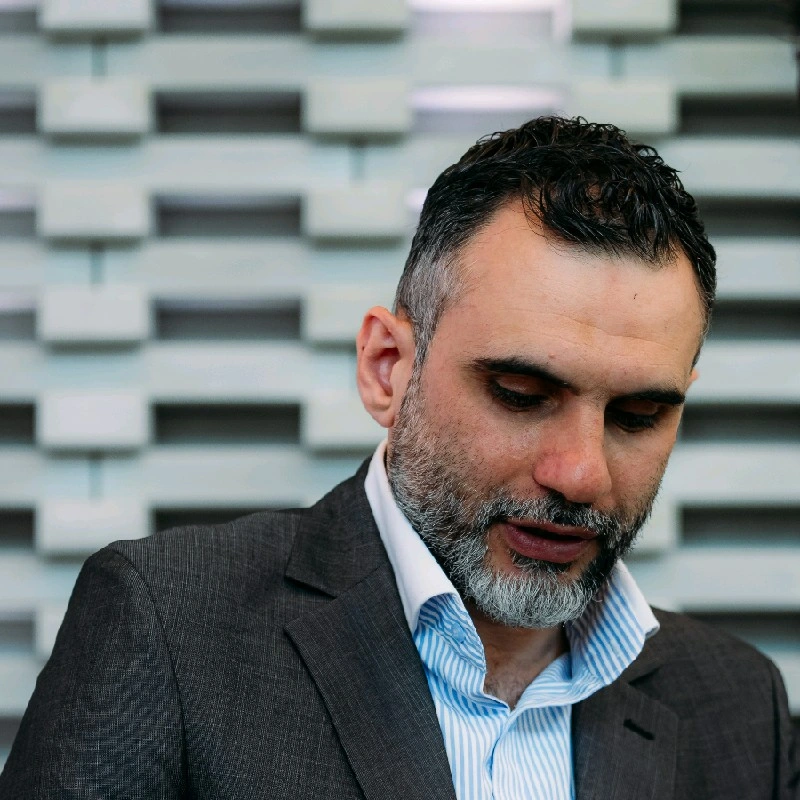
Mr. Mohammad Youssef is a Government Advisor and Cybersecurity Specialist with over 15 years of experience supporting ministries, public institutions, and international programs in fragile, conflict, and post-conflict environments. He provides advisory services on cyber security, governance, risk, and compliance (GRC) for the public sector and the security-sector institutions. Mr. Youssef has led and supported multimillion-dollar programs, advised on institutional reform and digital governance, and designed secure, resilient systems for high-risk operating contexts. He combines recognized certifications (PMP, CISM, CCOA, cCISO) with hands-on field leadership and policy-to-implementation experience. He works with senior decision-makers to translate strategic objectives into practical, secure, and accountable systems. He is fluent in Arabic and English, with professional communication skills in German and Turkish, while he maintains a strong operational and institutional network across the Middle East Region.
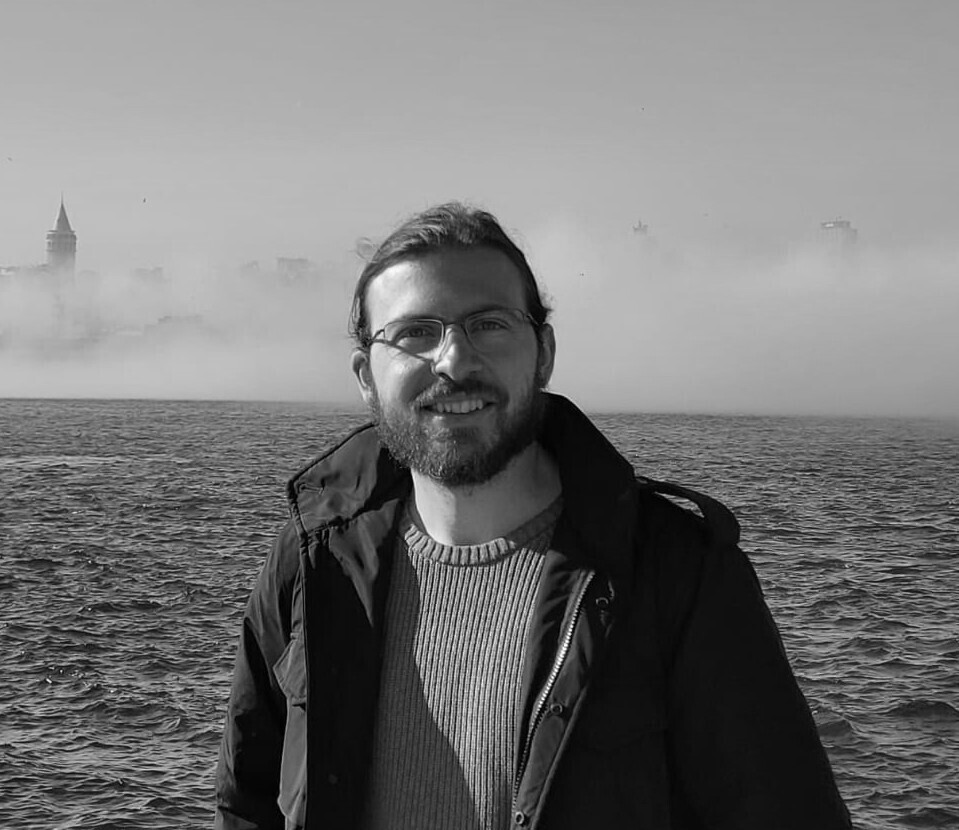
He is fluent in Arabic and English, Feras completed advanced postgraduate studies in Designing strategies and projects for humanitarian actions at the University of Geneva.
Interest field: Monitoring, Evaluation, Accountability, and Learning (MEAL)
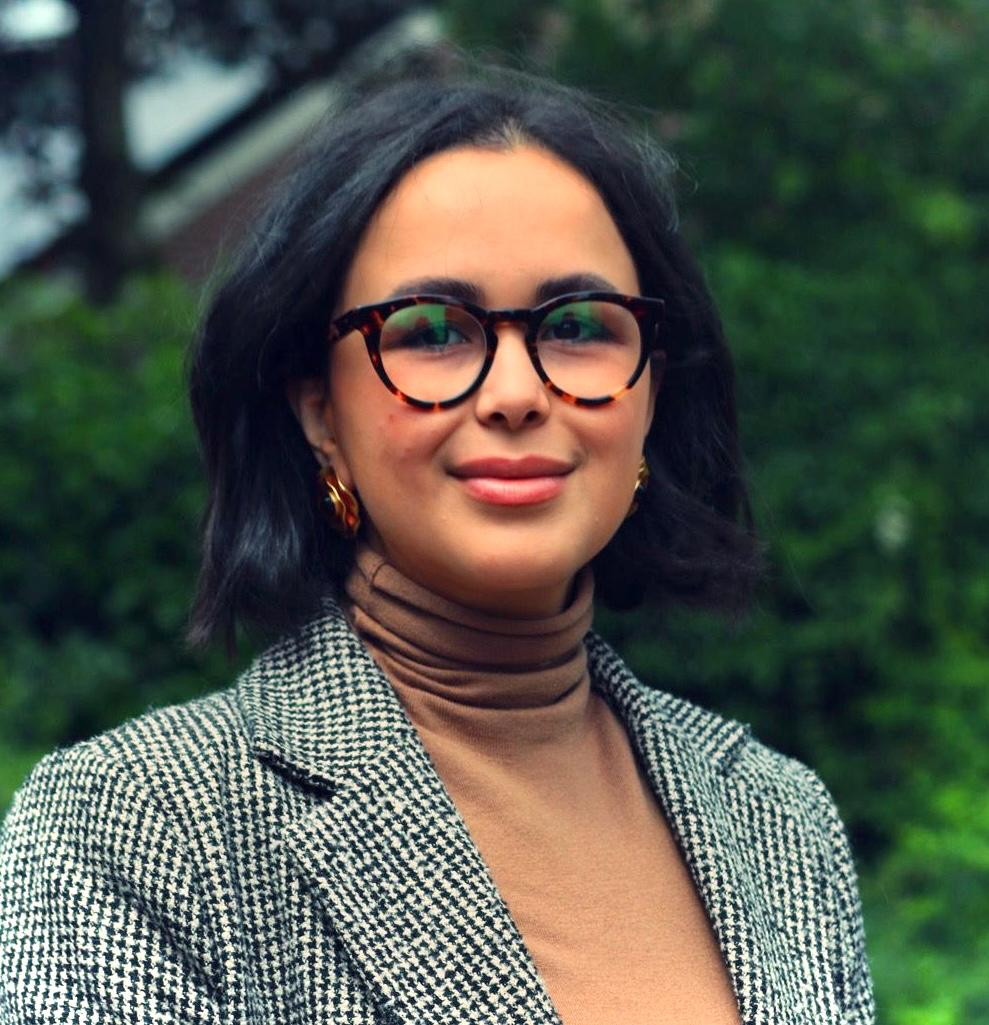
Her work brings together legal research, survivor-centred documentation, and strategic litigation in support of accountability processes. She has worked closely with Syrian civil society organizations, international NGOs, and UN accountability mechanisms to support the development of legally robust case files, submissions, and advocacy strategies addressing serious violations of international law. Her practice includes engagement with domestic universal jurisdiction proceedings and monitoring international criminal trials related to the Syrian conflict.
At Syrians for Truth and Justice, Linda contributes to legal documentation, advocacy initiatives, and communications to UN human rights mechanisms addressing grave violations of international law. Her work further includes monitoring international criminal proceedings under universal jurisdiction through The Nuhanovic Foundation and contributing to transitional justice programming at the Adalaty Centre, advancing inclusive and gender-responsive approaches to accountability. She has designed and facilitated specialised legal trainings and workshops across Europe and the MENA region on transitional justice, strategic litigation, engagement with UN human rights mechanisms, and the integration of survivor testimony into legal documentation frameworks.
She serves on the Steering Committee of the My Rights – MENA initiative, supporting gender-sensitive documentation of grave violations, and is an expert member of the Syria Rebuilding Collective, a refugee-led platform promoting survivor-centred approaches to justice and recovery. She is also the founder of JURISTIA, a legal empowerment initiative for Arabic-speaking refugee communities.
Linda holds an LL.M. in Public International Law and Human Rights from Utrecht University and is currently an Advanced LL.M. in European and International Human Rights Law as a Pre-PhD Candidate in International Human Rights Law at Leiden University. She is a member of the International Bar Association (IBA) and Lawyers for Lawyers.
Interest fields: TJ, AtJ, WPS, and SSR.
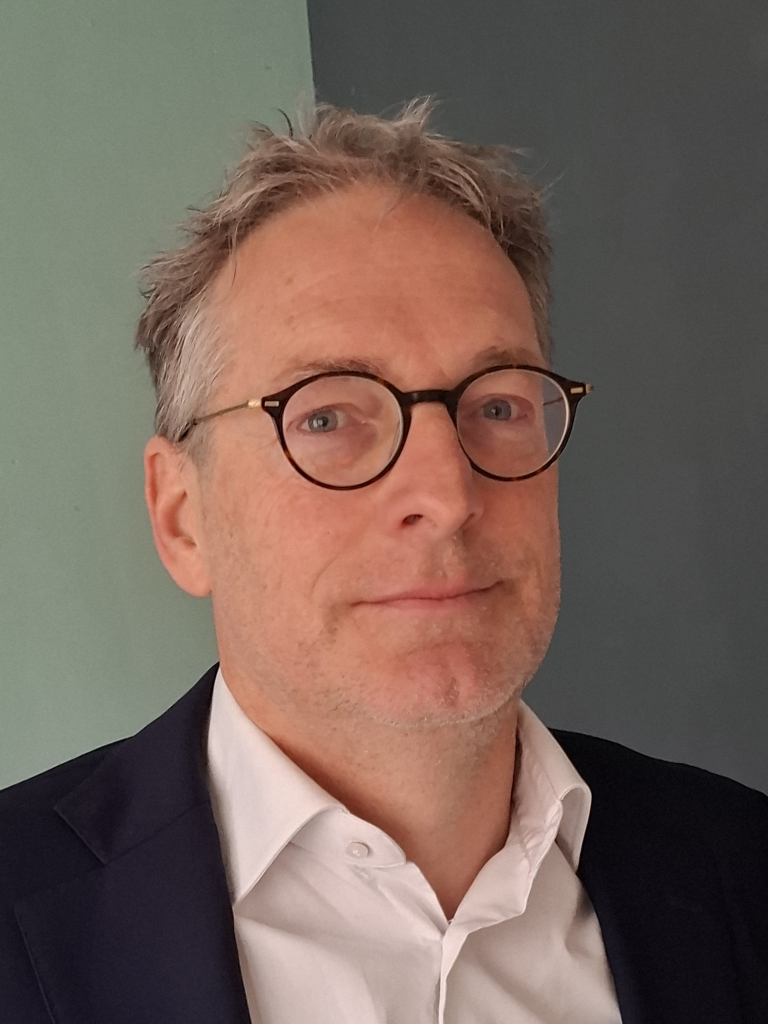
Interest fields: DDR, TJ, Media and Conflict
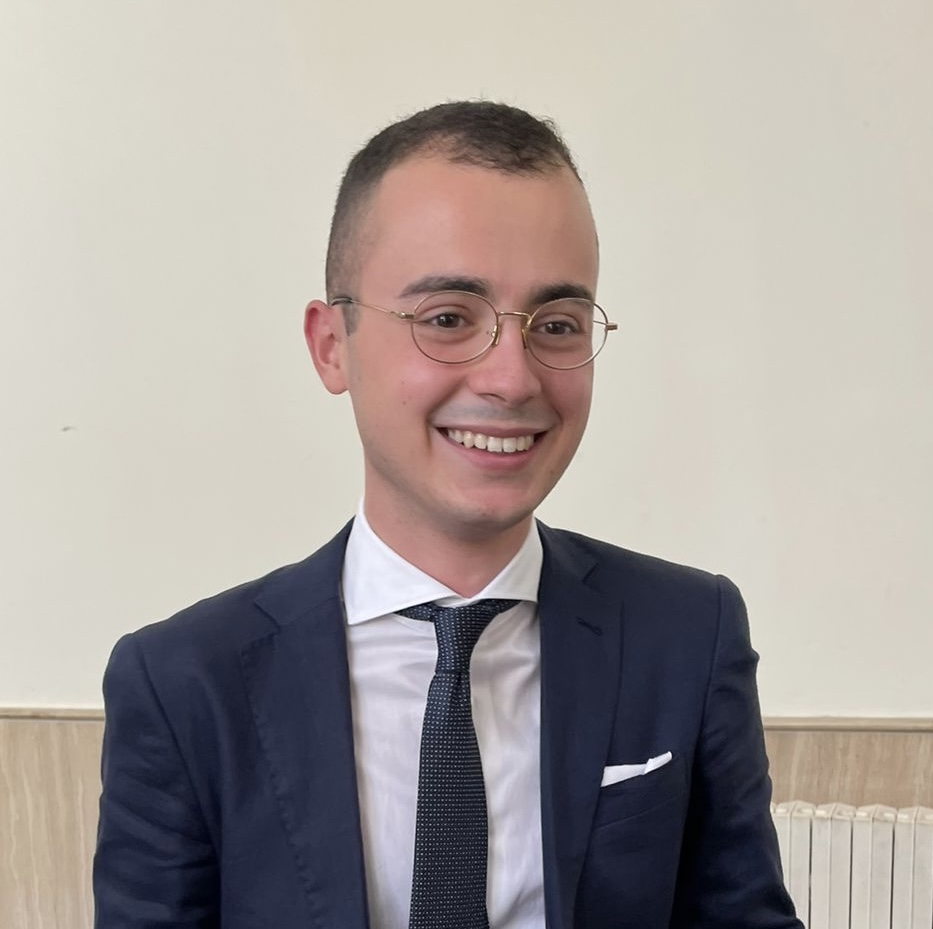
Interest field: DDR
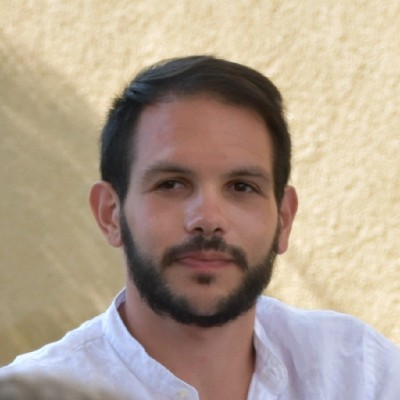
Interest fields: SRR, TJ, WPS and RoL/AtJ
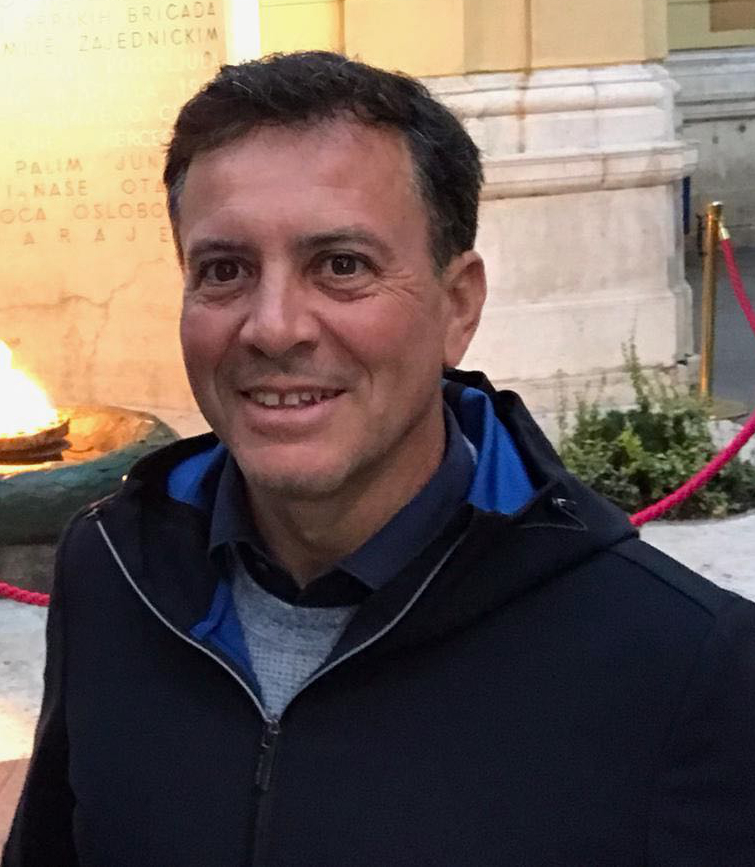
Interest fields: Transitional Justice, Rule of Law, Media and Conflict, and Women Peace and Security
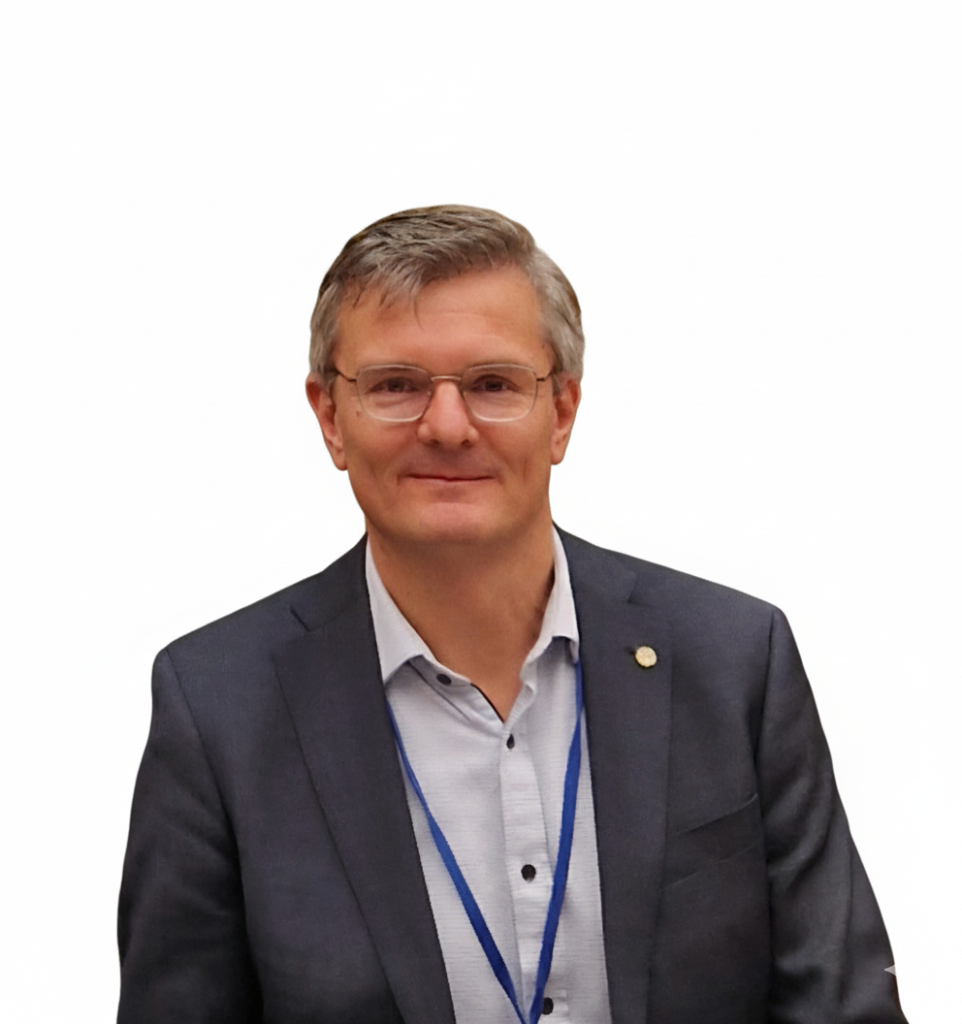
Interest fields: Security Sector Reform, Transitional Justice, Prison & Probation Services and Reintegration.
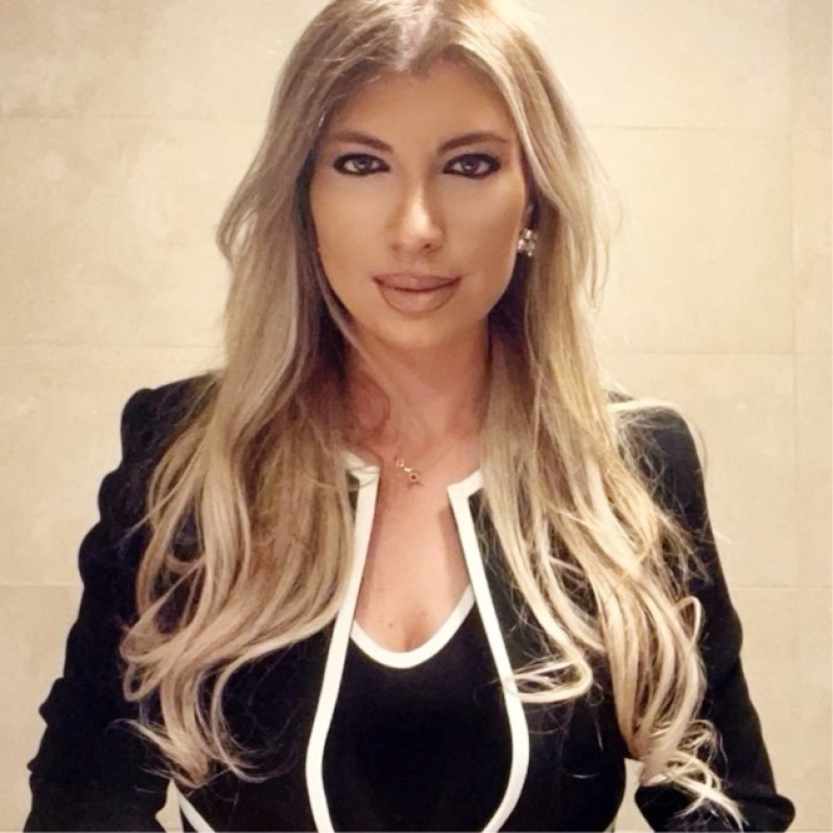
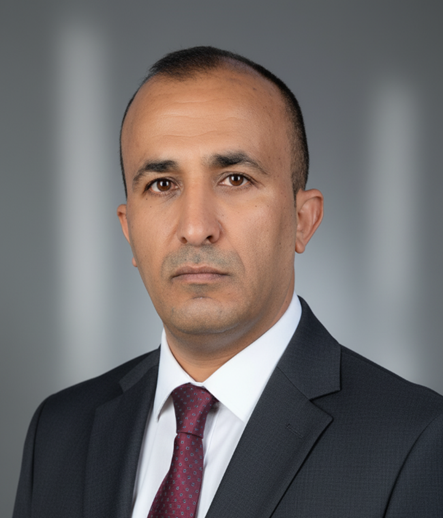
A former UN Police Officer with the MONUSCO mission in the DRC for three years, Mr. Abdo brings deep, on-the-ground expertise in Security Sector Reform (SSR) and governance. He has direct experience advising the Congolese National Police (PNC) on professionalization, accountability, and the integration of human rights-compliant policing. His contributions extend to Disarmament, Demobilization, and Reintegration (DDR) processes, Rule of Law and Access to Justice (RoL/AtJ) support, and the Protection of Civilians (PoC).
Mr. Abdo holds a Bachelor of Arts in French and a diploma in Police Work/Law Enforcement. He is currently pursuing a Master of Science in Security and Risk Management at the University of Leicester’s School of Criminology, Sociology and Social Policy.
A trilingual professional, he is fluent in Arabic, French, and English.
Interest fields: SSR, DDR, RoL/AtJ.
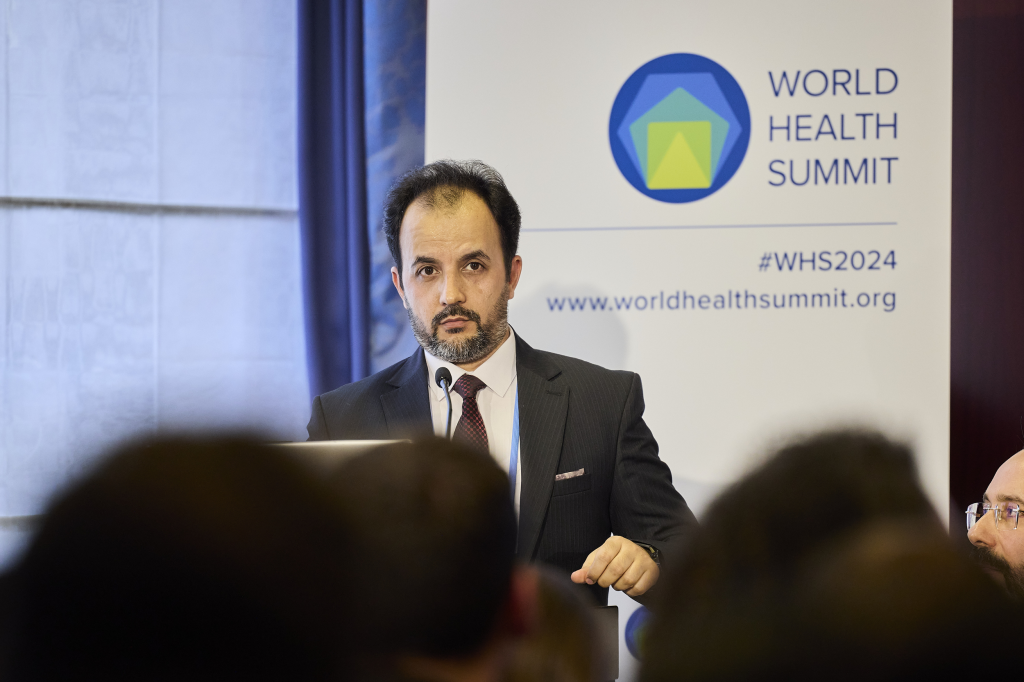
Interest fields: SSR, WPS, YPS, DDR, Media and Conflict
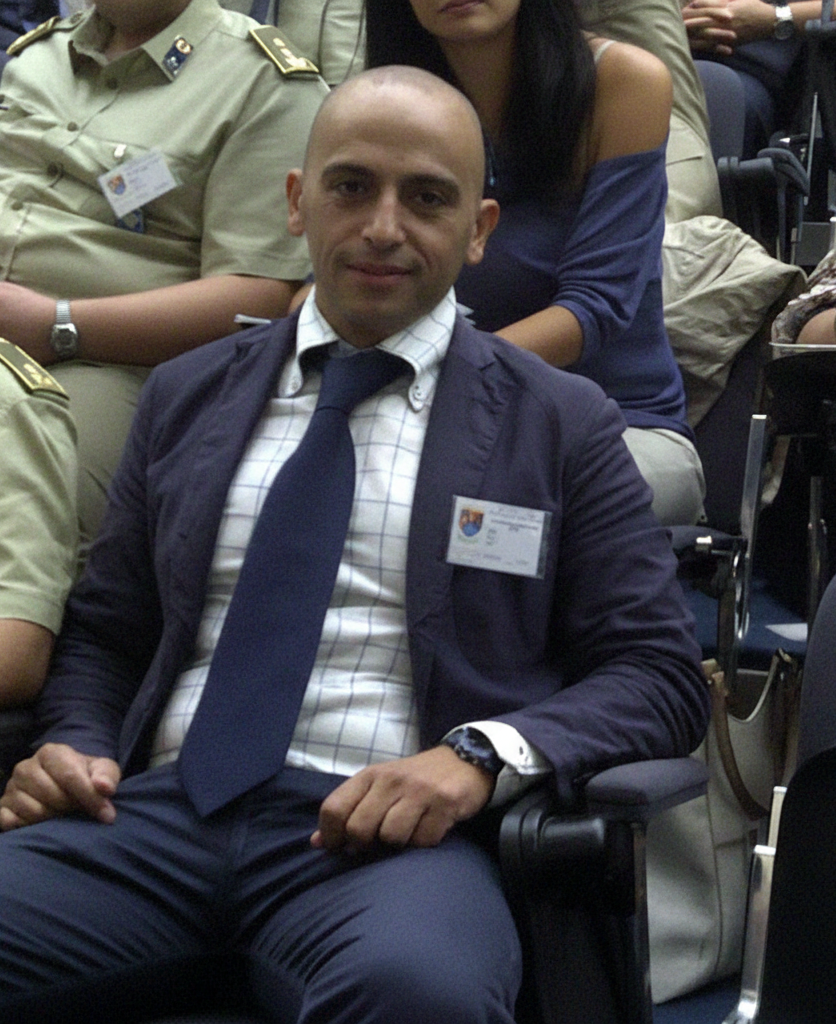
Interest Fields: DDR, SSR and RoL/AtJ
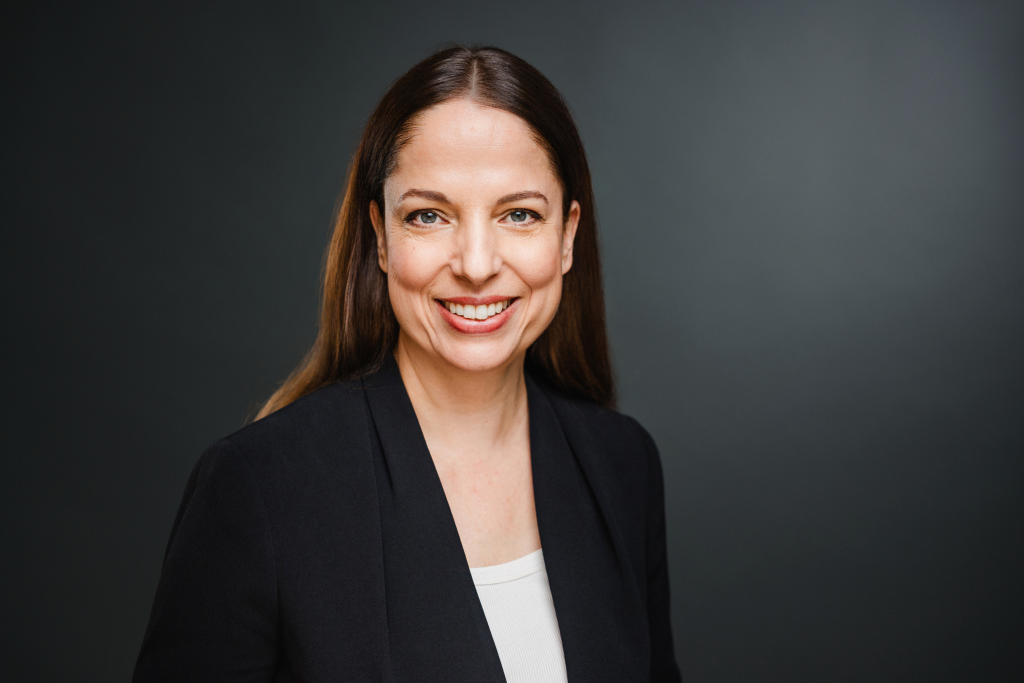
Interest field: WPS
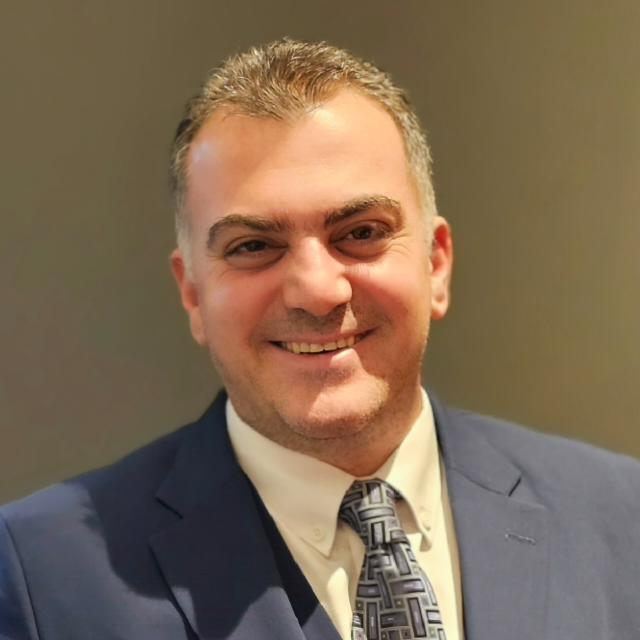
Mr. Arshak Gasparyan is an international criminal justice and penal reform specialist with over 23 years of experience advancing rehabilitation-centred, risk-informed, and human-rights-based prison and probation systems. He has worked closely with governments, international organisations, and civil society to strengthen offender management, reintegration pathways, and dynamic security, drawing on UN standards and norms, including the Nelson Mandela Rules, Bangkok Rules, and Tokyo Rules.
Across Eastern Europe and Central Asia, Arshak has led and advised complex reform initiatives in Armenia, Georgia, Kazakhstan, Kyrgyzstan, Moldova, Montenegro, Uzbekistan, Tajikistan and other contexts. Mr. Gasparyan has recently supported prison and probation reform agendas with the United Nations Office on Drugs and Crime (UNODC) in Kazakhstan and the wider Central Asia region. His focus was on strengthening institutions to reduce and disengagement of extremism and terrorist related prisoners, reoffending, protect human rights, and enhance public safety through effective community reintegration and modern correctional practice.
His work combines policy and operational reform: developing and piloting risk and needs assessment (RNA) tools, supporting classification and case management systems, designing rehabilitation and resocialisation programmes, and building frontline and leadership capacities through evidence-based training. He is particularly recognised for translating international standards into practical frameworks, guidance, and tools that improve safety, accountability, and service quality, while promoting sustainable alternatives to imprisonment.
Interest fields: SSR, PPR/S, RoL/AtJ
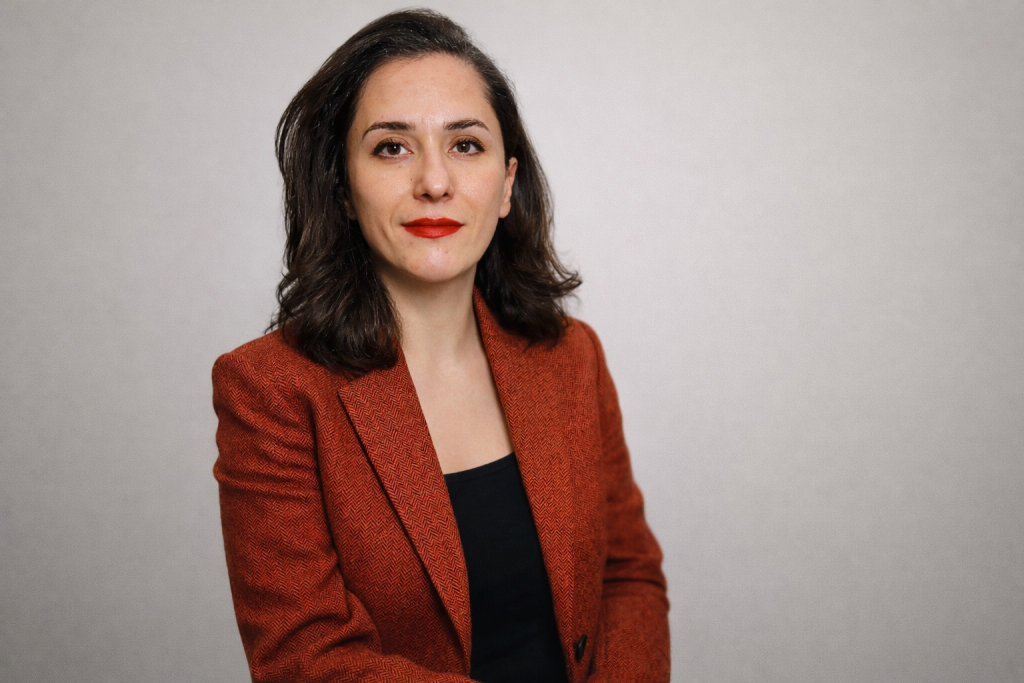
Interest fields: SSR, DDR and WPS
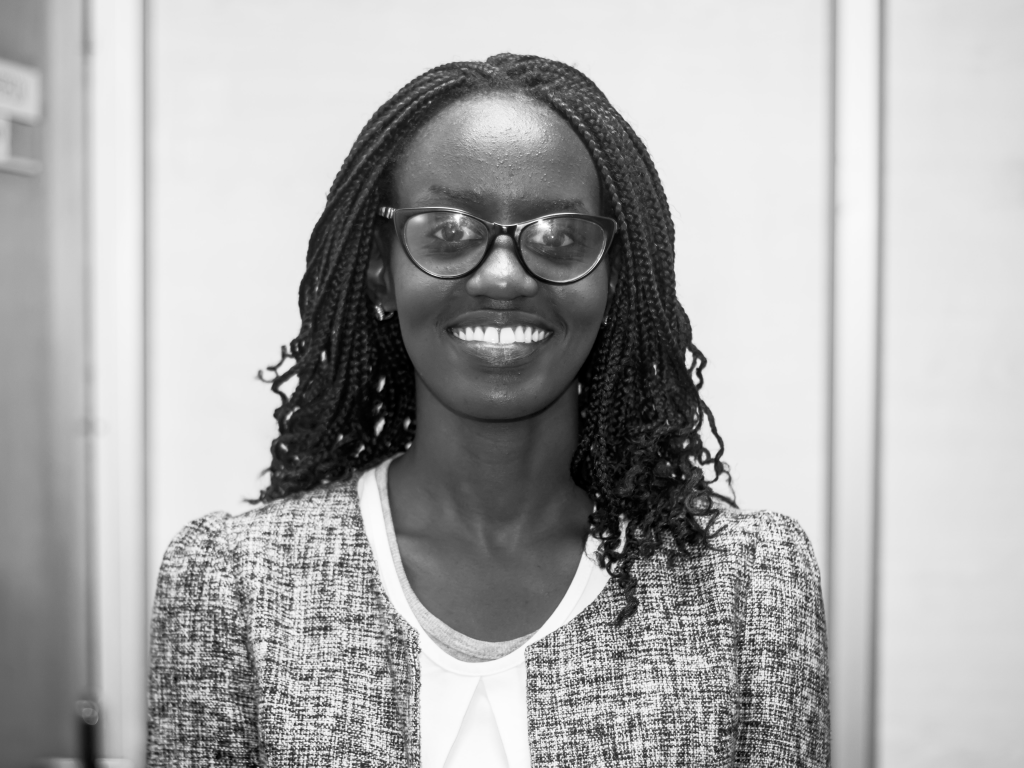
She is also a member of the Emerging Experts Forum on Arms Trade. Mrs. Agaba’s commentaries have been published in SCRAP Weapons and the Emerging Experts Forum.
She is a published author, having co-authored a book chapter on the humanitarian impact of the global arms trade, which was published in the edited book “Monstrous Anger of Guns: How the Global Arms Trade is Ruining the World and What We Can Do About”.
Interest fields: SSR, DDR, Media and Conflict
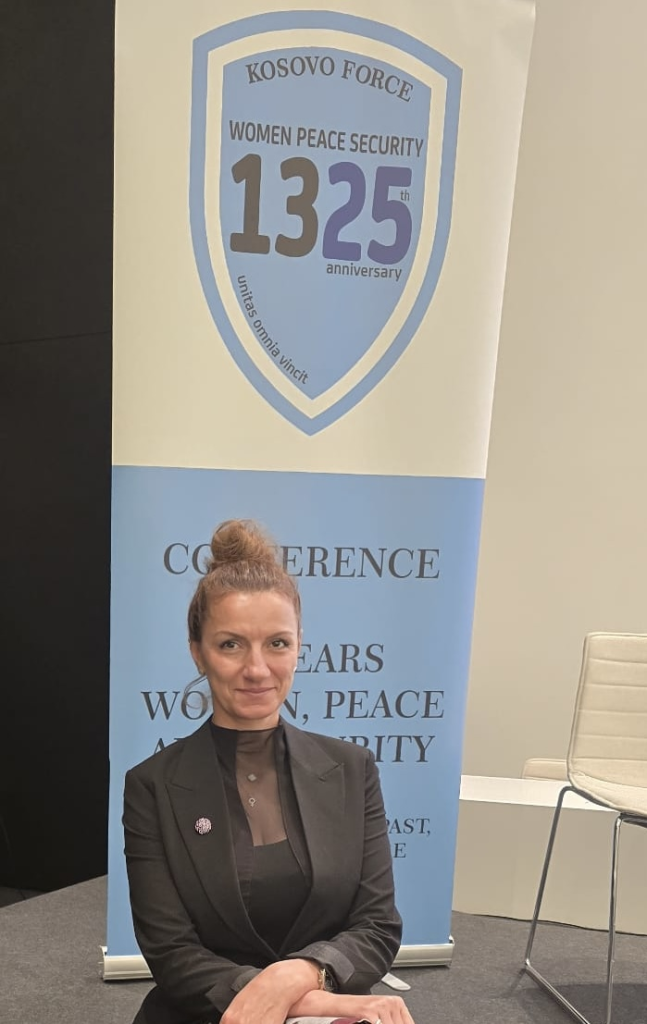
Ms. Biljana Nastovska is a gender specialist with over 20 years of experience in fragile and conflict-affected contexts. She is a lawyer with an MA in EU Integrations and specialized studies on gender-based valence jurisprudence under the European Court of Human Rights.
She advances rule of law, human security, and inclusive governance through multi-stakeholder initiatives and specializes in operationalizing the Women, Peace, and Security agenda. Her work spans security sector reform, crisis and disaster response, access to justice, and gender-based violence in emergencies.
Ms. Nastovska supports governments, international organizations, and civil society in strengthening legal frameworks, institutional accountability, and survivor-centered responses to GBV. She has extensive experience in facilitating gender-sensitive dialogue and coordination among diverse stakeholders to ensure inclusive and rights-based solutions.
She has regional experience across the Western Balkans, Central Asia, and the Caucasus. Her expertise includes capacity-building of local actors, evidence-based policy development, strategic planning, coordination mechanisms, and inclusive governance initiatives. Her advisory expertise lies in integrating gender-responsive, rights-based approaches into peace, security, and human security programming.
Interest field: WPS
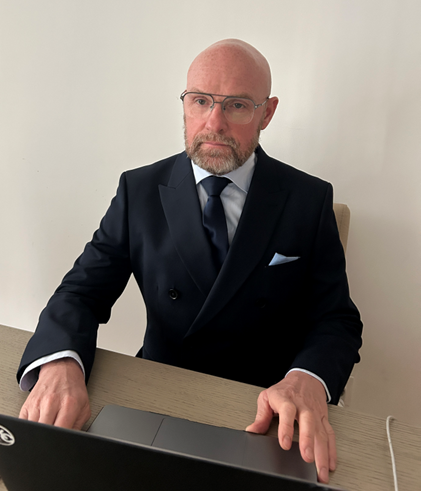
Mr. Mark Dixon, is an international Security Sector Reform (SSR) specialist with over 35 years of experience in policing, criminal justice, and security governance. He served for three decades in the United Kingdom police service as a Senior Investigating Officer, working across organised crime, counter-terrorism, intelligence, and major investigations, including covert and overt operations.
Over the past decade, he has worked in post-conflict and transitional contexts, particularly in the Western Balkans, supporting police, prosecution services, and justice institutions through multilateral, bilateral, and consultancy assignments. His work focuses on strengthening accountable, rights-based security institutions operating under democratic civilian oversight, with emphasis on investigative practice, institutional integrity, and inter-agency coordination.
Mr. Dixon has significant expertise in lawful suspect treatment, ethical interviewing (including PEACE model training), intelligence oversight, internal accountability mechanisms, and professional standards. He has also supported institutional responses to sexual and gender-based violence and gender-responsive policing, translating international human rights obligations into practical operational reforms.
His advisory approach prioritises local ownership, sustainability, and practical implementation. He has designed and delivered capacity-building programmes, mentoring initiatives, and policy support aimed at improving transparency, professionalism, and public trust in security institutions. Mr. Dixon holds a BA in Administrative Management and an MSc in Security, Conflict and International Development.
Interest field: SSR
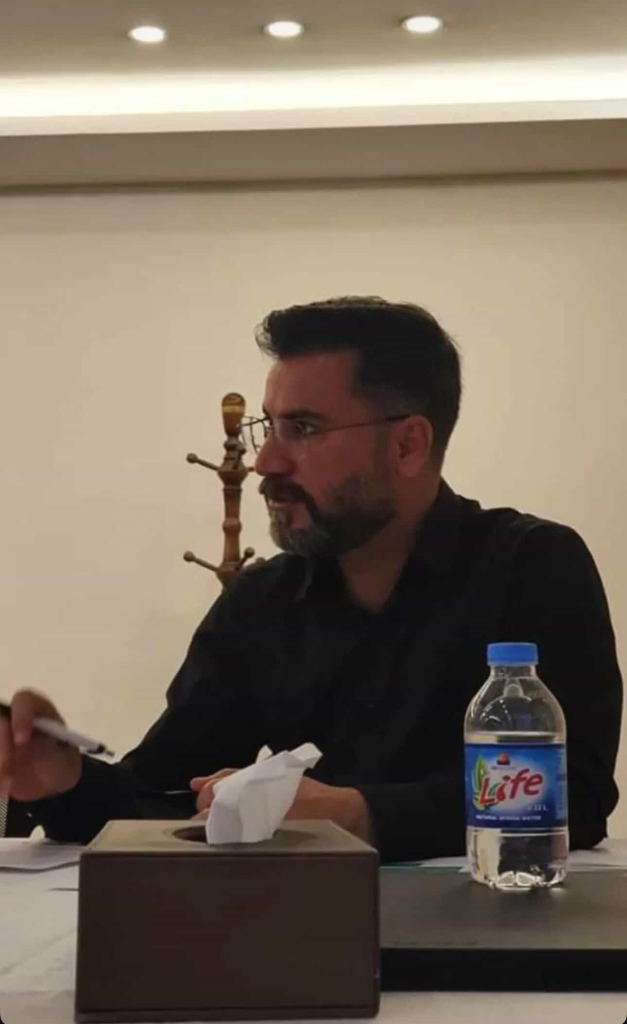
He has held key leadership roles such as Project Coordinator, Head of Mission Advisor, and interim Head of Mission, where he led operational strategy design and implementation while ensuring adherence to humanitarian principles.
Mr. Hussein has completed extensive training in humanitarian leadership, security management, negotiation, and mentoring. Fluent in Kurdish, Arabic, and English, he combines technical expertise with strong cross-cultural communication skills, making him highly effective in diverse and challenging contexts.
Interest fields: SSR, DDR and WPS
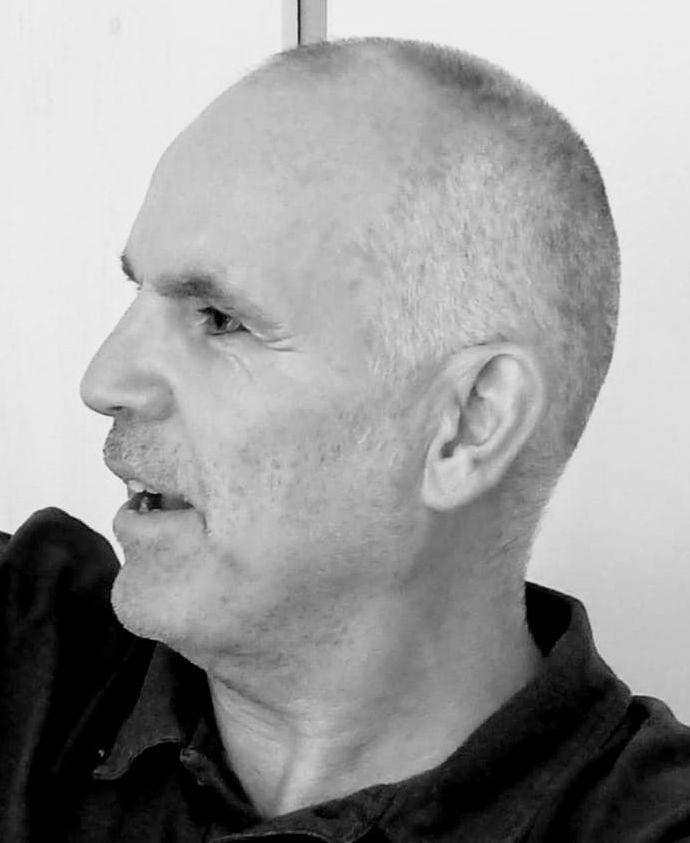
He specializes in security sector reform, evaluation, organizational transformation, and internal investigations, translating complex security challenges into practical, evidence-based solutions. His career includes senior roles in UK policing, alongside advisory missions across Europe, Africa, and Asia.
Mr. McCarthy has led high-level evaluations, supported institutional reform in fragile and post-conflict environments, and mentored senior leaders. He holds an MSc in Countering Organized Crime and Terrorism from University College London and is recognized for delivering impactful, high-quality advisory work at the strategic level.
Interest fields: SSR and RoL/AtJ
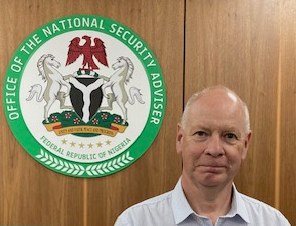
He has 15 years of experience working internationally in Security Sector Reform (SSR), in police reform/trust and confidence building and policing with divided communities/communities in transition.
Mr. Service has provided SSR advisory support across Sub-Saharan Africa, MENA, Eastern Europe, Balkans, the Caucasus and Central and SE Asia, working on SSR related programmes funded by UN, EU, UK FCDO, OSCE and SIDA.
He holds a BSc (hons) in Criminology and Crime, a PgCert. in International Policing: Peace Support Operations, and he is a professionally qualified trainer.
Interest Fields: SSR/SSG, Policing, Access to Justice (UN SDG 16), Rule of Law/Governance and Democratisation.
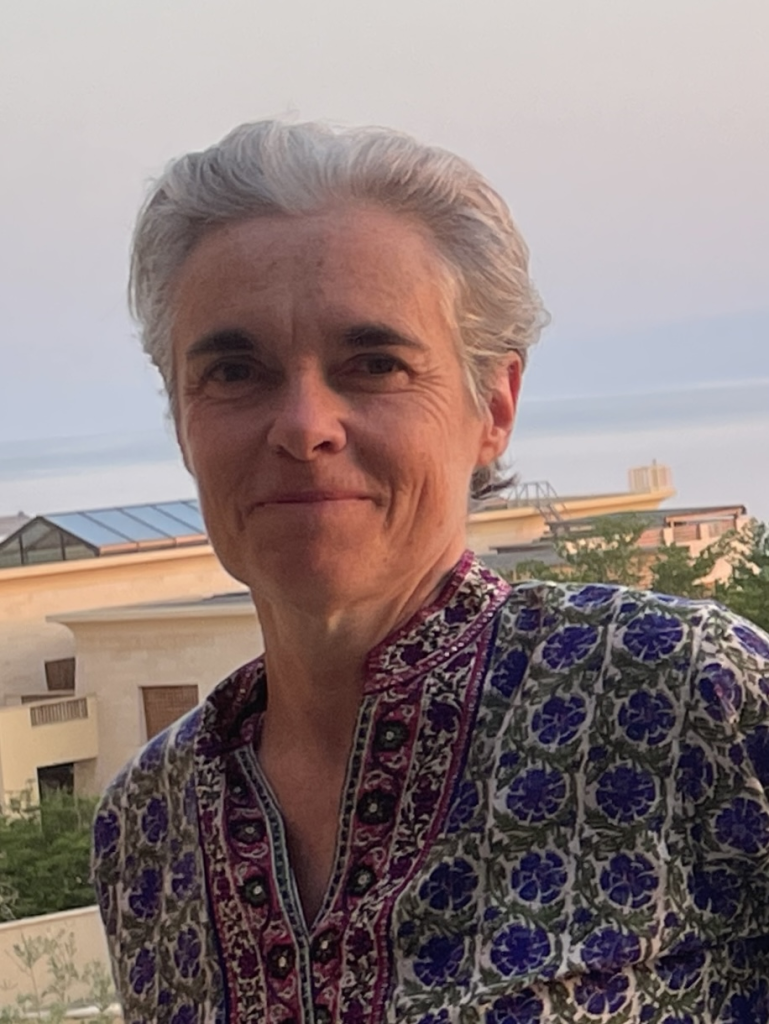
She has worked extensively with governments, national NGOs, the International Red Cross and Red Crescent Movement, and UN agencies. Her experience spans conflict and post-conflict settings, including UN peacekeeping missions in Haiti, Chad, and the Democratic Republic of the Congo.
Dr. Puechguirbal has designed and delivered training on gender and PSEAH for military, police, and humanitarian personnel. She also served as the Coordinator for UN Action Against Sexual Violence in Conflict in the Office of the UN Special Representative on SVC in New York.
Her expertise includes gender mainstreaming, safeguarding assessments of implementing partners, and capacity building of national actors. She is deeply engaged in advancing the Women, Peace and Security agenda through programming, research, and multi-stakeholder coordination.
Interest fields: WPS, Gender Mainstreaming and PSEAH
Interest Fields: YPS, Media and Conflict
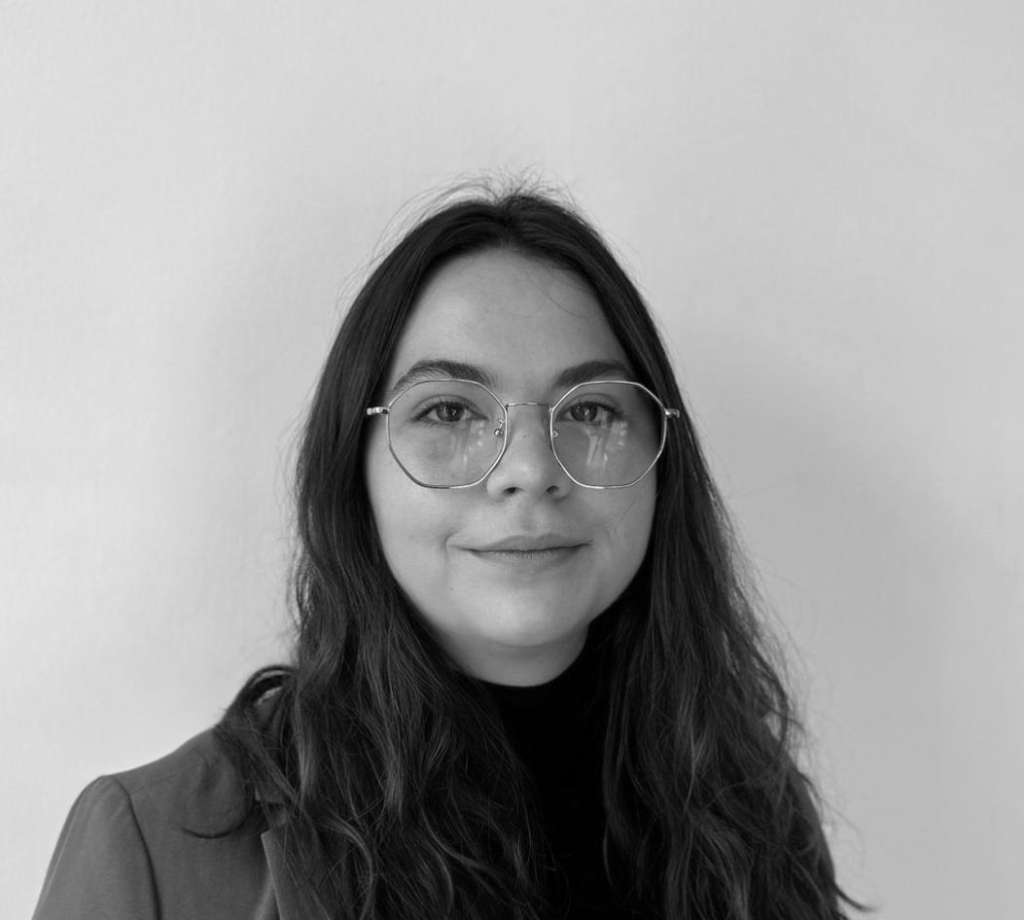
Her practice focuses on legal proceedings and investigations, with expertise in evidence analysis, case-building and strategy. She has worked with defence teams before the International Criminal Court, the Special Tribunal for Lebanon and the Kosovo Specialist Chambers on cases involving war crimes, crimes against humanity, and terrorism. She has contributed to field-based investigations and the analysis of evidence collected in complex operational contexts, as well as related advocacy.
Anouk has advised government entities, international organisations and private clients on legal and institutional matters, including Médecins Sans Frontières. She also designs and delivers practitioner-focused trainings, translating legal frameworks into practical tools.
She is particularly interested in bridging legal practice and field realities, supporting locally driven accountability efforts and strengthening capacity in complex environments.
Interest fields: RoL/ AtJ, TJ, Policing and SSR.
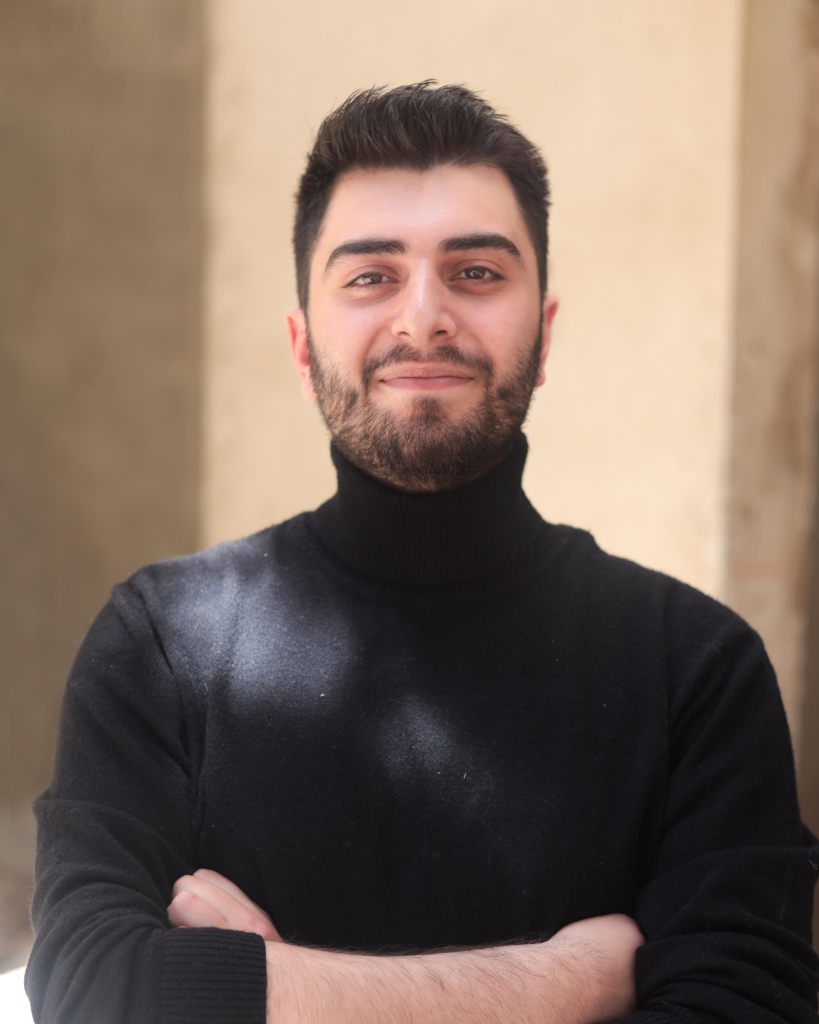
Interest field: YPS and Conflict Resolution
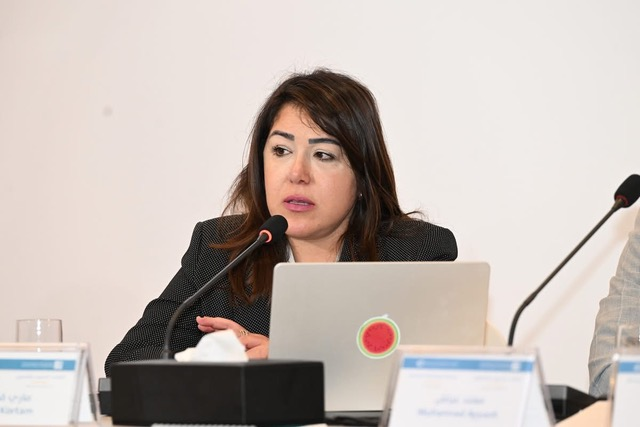
Her work examines violent extremism, armed groups, displacement, and the governance of marginalised populations, combining qualitative field research with policy-oriented approaches. She has held senior research and advisory roles, including Political Advisor at the Centre for Humanitarian Dialogue and Research and Policy Advisor with War Child, where she contributes to international research initiatives on conflict and civilian protection.
Dr. Kortam has led and contributed to multiple international projects on radicalisation, migration, and security governance, including European research programmes, and has taught at universities in France and Lebanon. She holds a PhD in Sociology from University of Paris-Diderot and has published widely in English, French, and Arabic on violence, refugee dynamics, and political transformations in conflict settings.
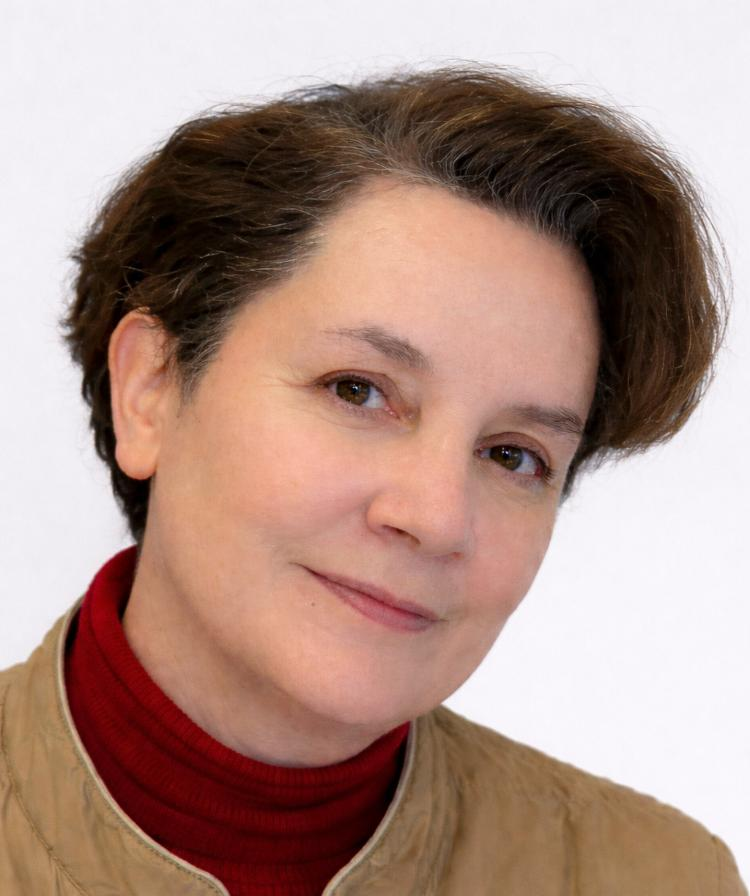
Interest fields: DDR, Child Protection and Children and Armed Conflict (CAAC)
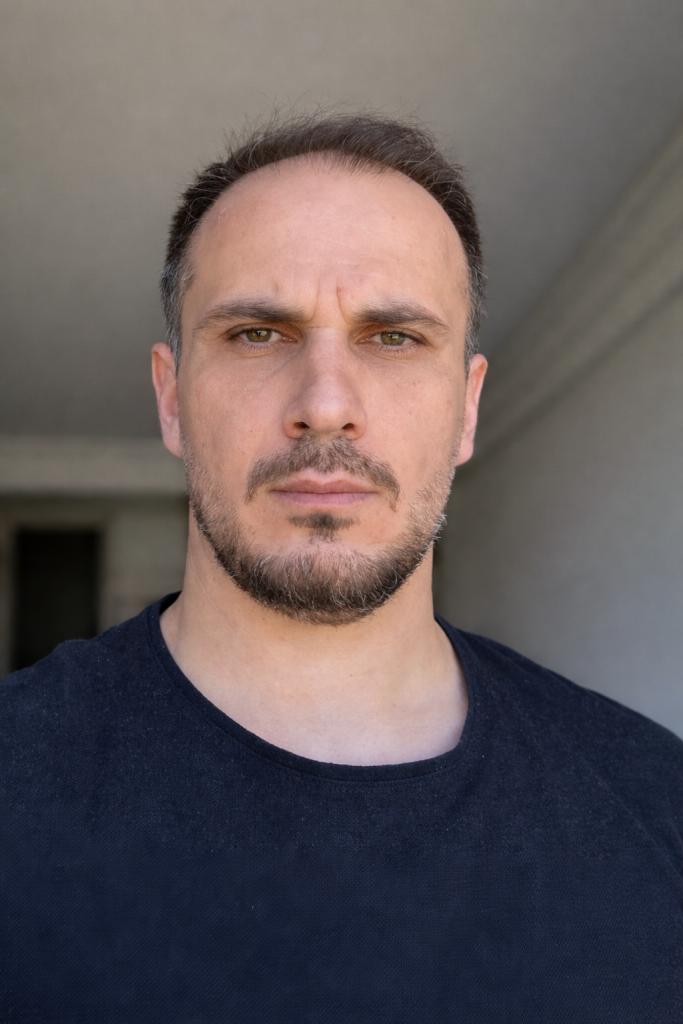
Mr. Baddour has extensive experience leading security components of inter-agency missions and supporting field operations across multiple UN agencies, including UNRWA and UNOPS/OPCW. His work includes conducting risk assessments, managing incidents, and training personnel on security and risk management practices in high-risk environments.
His expertise spans crisis management, security risk management frameworks (SRM, SRA, PSRA, MOSS, UNSMS), humanitarian access, and conflict-sensitive operations. He holds a Master’s degree in Business Administration, with academic backgrounds in economics and telecommunications engineering. He is a native Arabic speaker with full professional proficiency in English.
Interest fields: Security Risk Management (SRM), Humanitarian Access, Civil-Military Coordination (CMCoord), Crisis Management, Contingency Plans, Business Continuity Plan, Humanitarian Negotiation.
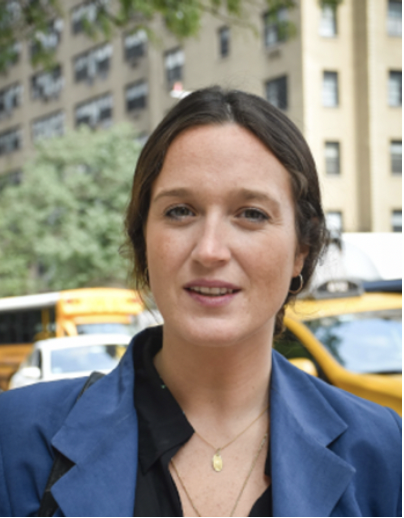
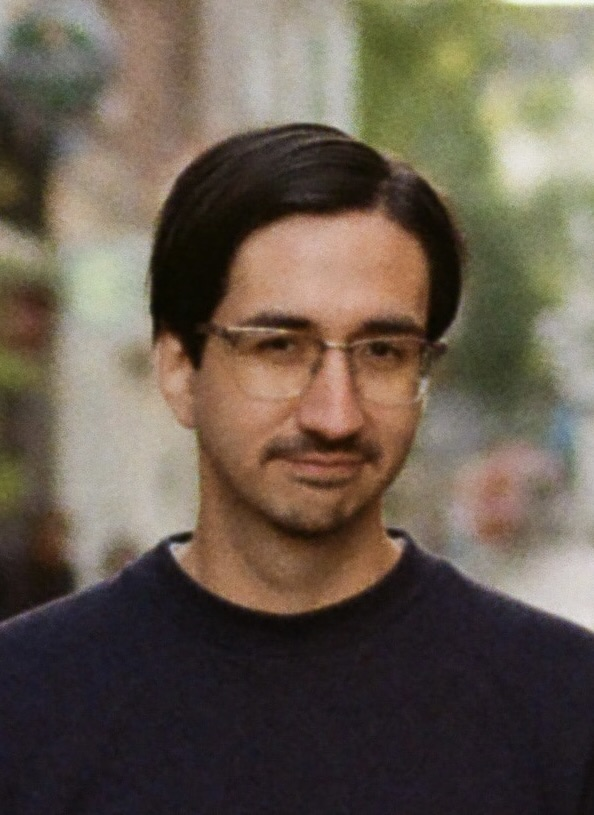
Interest fields: YPS, WPS, SSR, Policing, and RoL
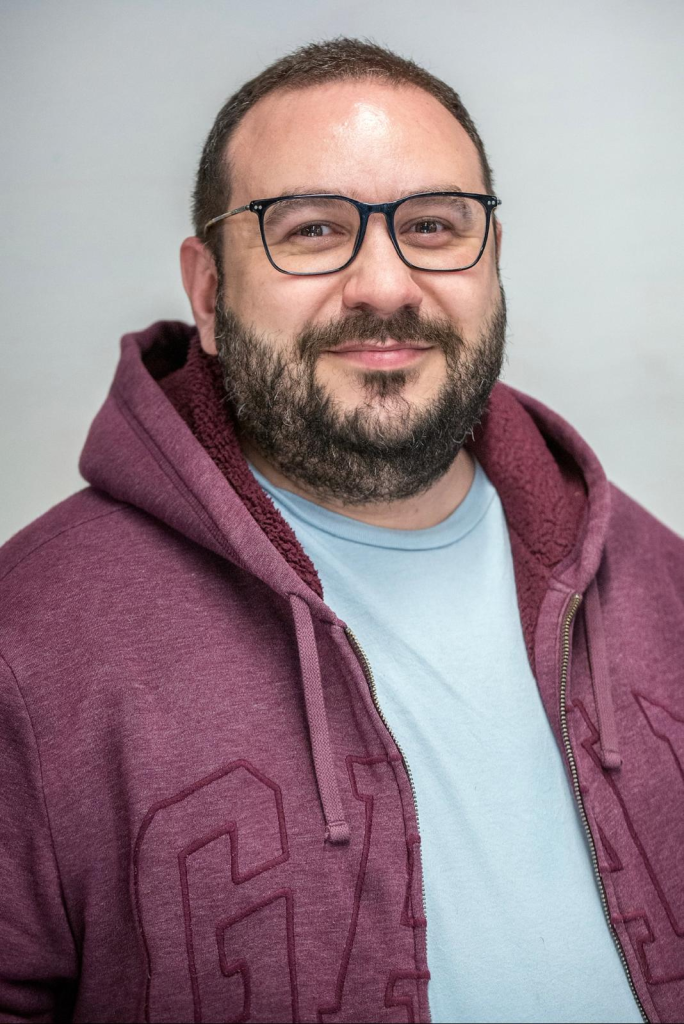
He has led multi-location, donor-funded programs in complex and high-risk environments, working in close coordination with government entities, international organizations, and local partners. His expertise spans program design and delivery, operational leadership, and risk and duty of care.
Mutasem has contributed to a range of initiatives aimed at strengthening community resilience and supporting recovery in conflict-affected settings.
Interest fields: DDR and SSR
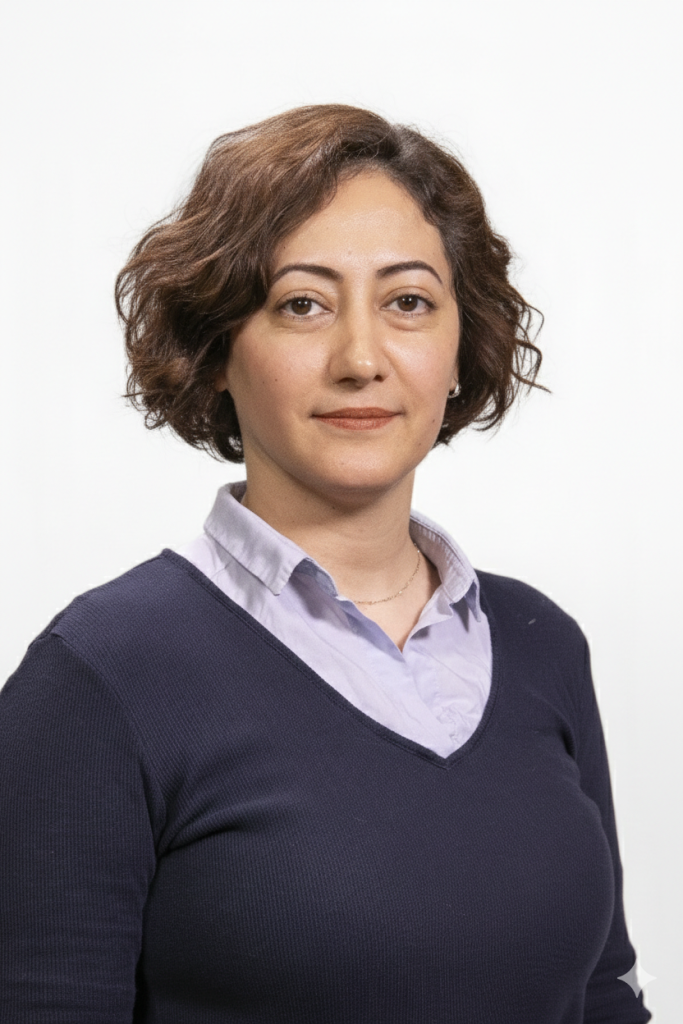
Interest fields: Humanitarian Coordination, Stabilization, Strategic Communications, WPS, CivilMilitary Coordination, and Disaster Management, EU, Middle East, NATO, AI Ethics.